
How Is Ethical Fashion Revolutionising Your Wardrobe?
In an era where fast fashion has become a way of life for many consumers, this low-cost trend produces deplorable social and environmental impacts [...]
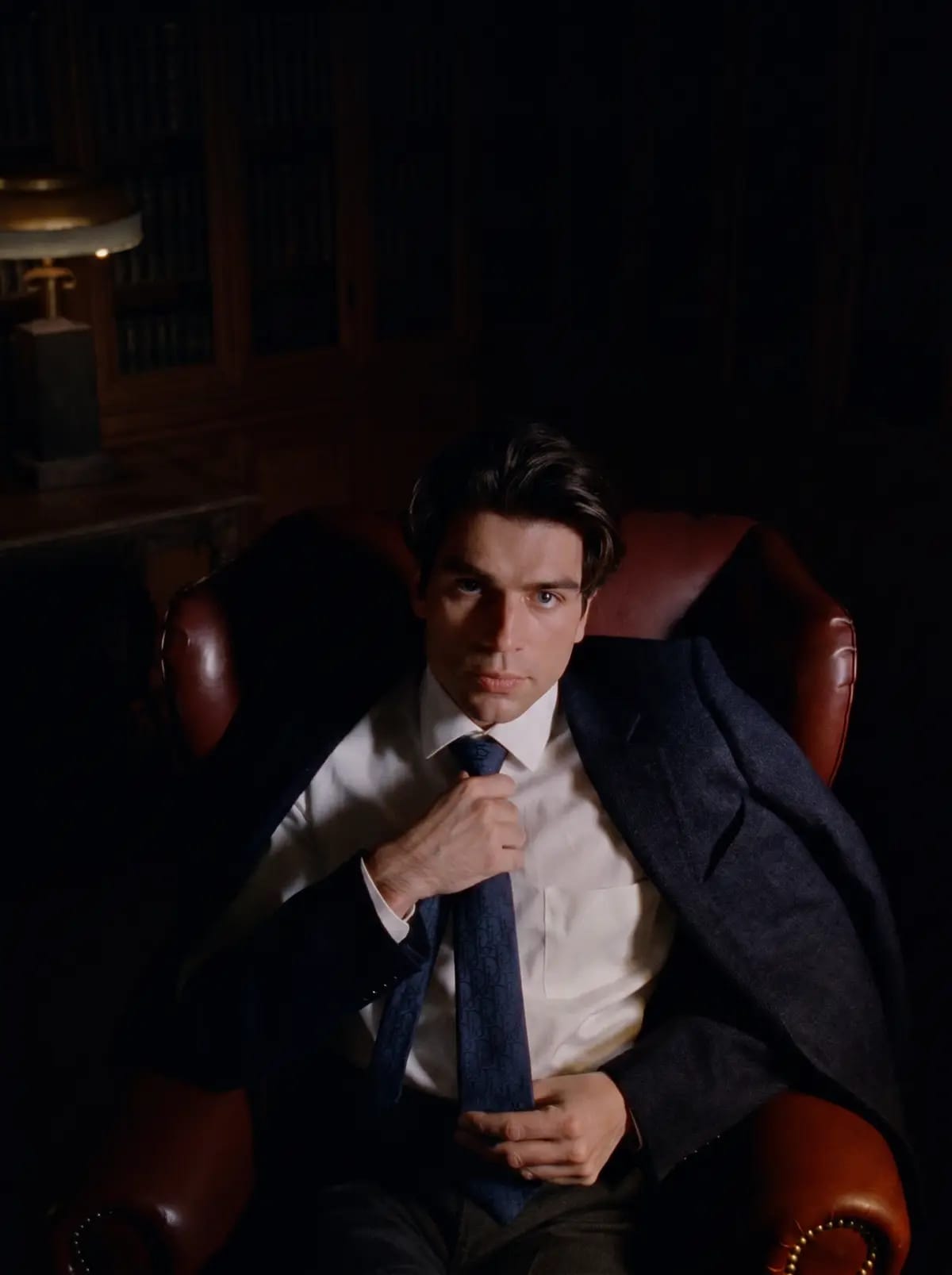
In an era where fast fashion has become a way of life for many consumers, this low-cost trend produces deplorable social and environmental impacts on a global scale. But what about the couture houses? A look back at designers who are reinventing themselves through ethical, responsible fashion while creating luxurious pieces.
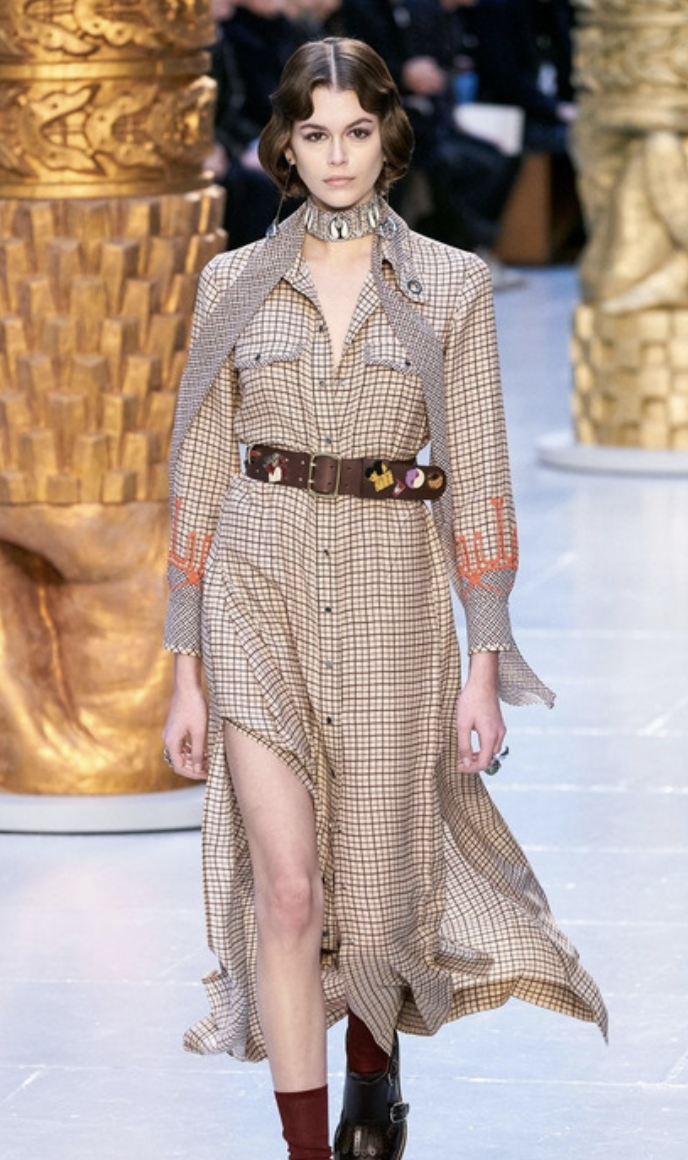
Long awaited, Haute Couture Fashion Week 2021 in Paris is gradually returning to the runways, an opportunity to highlight the eco-responsibility commitments made by the giants of fashion.
An initiative that has not been set aside, despite the urgency of an economic recovery in the face of the current pandemic.
At a time when the new generations are calling for more legibility, transparency and commitment, the players of Fashion Week are now showing good resolutions: reusable materials or the use of green energy sources, every means is being deployed in favour of a more responsible approach.
Promising solutions
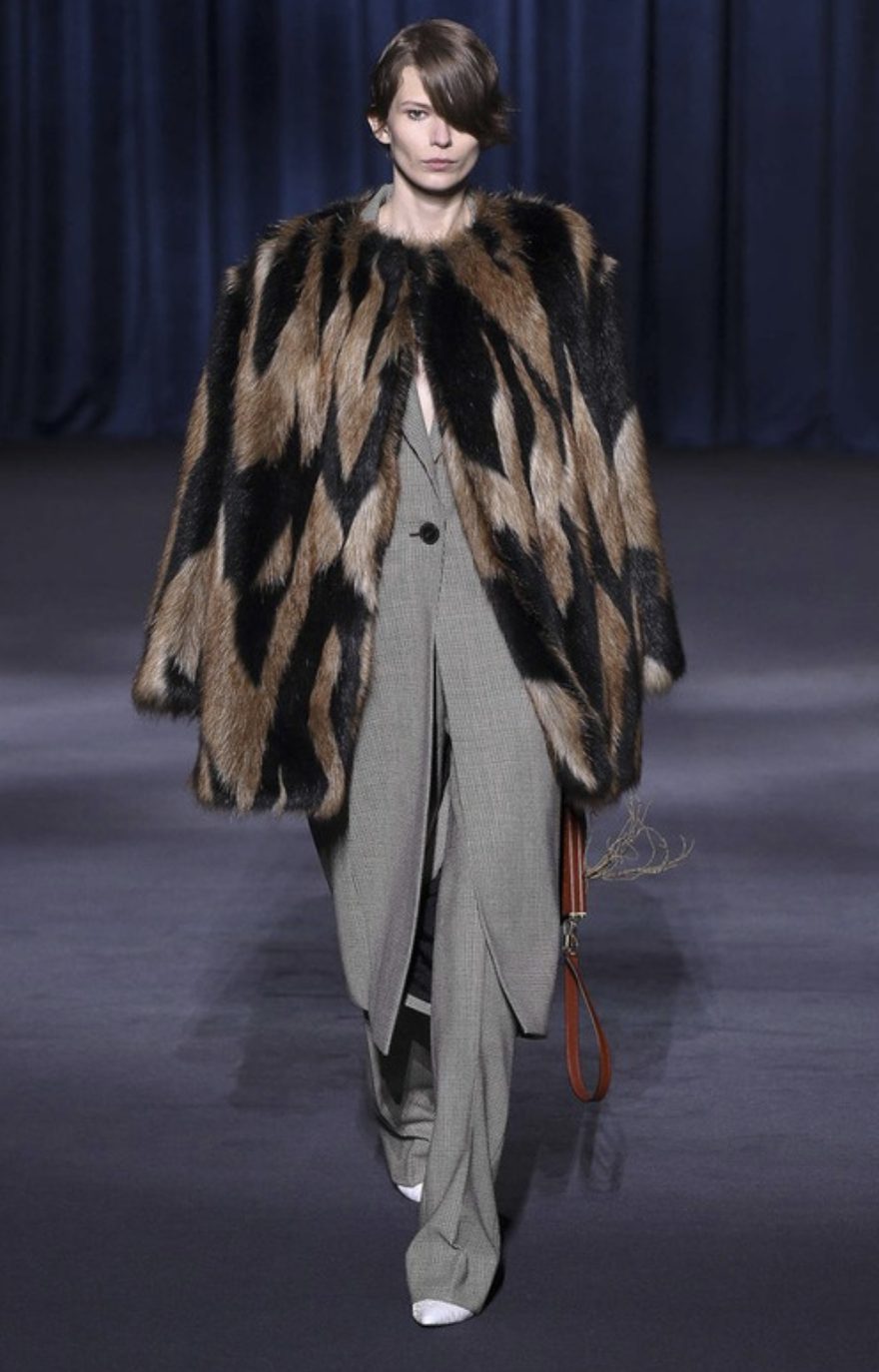
This is not a new idea, since in 2001 Stella McCartney offered ecological and sustainable collections. A wardrobe free of animal raw materials: leather, fur, feathers, fish glue. To create her pieces, Stella McCartney uses innovative eco-responsible materials such as organic cotton or regenerated cashmere. But what is this? Cashmere recycling mostly involves collecting jumpers (post-consumer) but also leftover cashmere yarn. The harvested fibre is then analysed to keep only the high-quality fibres. Finally, these fibres are spun to make a new yarn that creates 100% regenerated cashmere. A way to sharply reduce the intensive use of pastures for sheep, but also to reduce energy and water consumption. Back to Fashion Week with the Givenchy show which, like Stella McCartney, Jean-Paul Gaultier and Chanel, turned to the use of faux fur, made from polyester and acrylic. In the long run, the designers' goal is to achieve manufacturing based on 100% plant residues. Enough to appeal to increasingly committed consumers. In its quest for excellence, the LVMH group has adopted ethical and responsible practices that are nothing new. For 27 years, LVMH's environmental policy has always been at the heart of its growth strategy. A commitment that accelerated in 2012 with the creation of the LIFE programme (LVMH Initiatives For the Environment), designed to strengthen environmental policy in the strategic plan of the group's 75 houses. Consolidated in 2016, the LIFE 2020 programme is structured around four pillars: protecting biodiversity, fighting climate change, the circular economy with the establishment of a recycling channel for unsold goods, and transparency to meet ever-greater expectations. Commitments blending research, innovation and excellence.
An initiative at the heart of jewellery
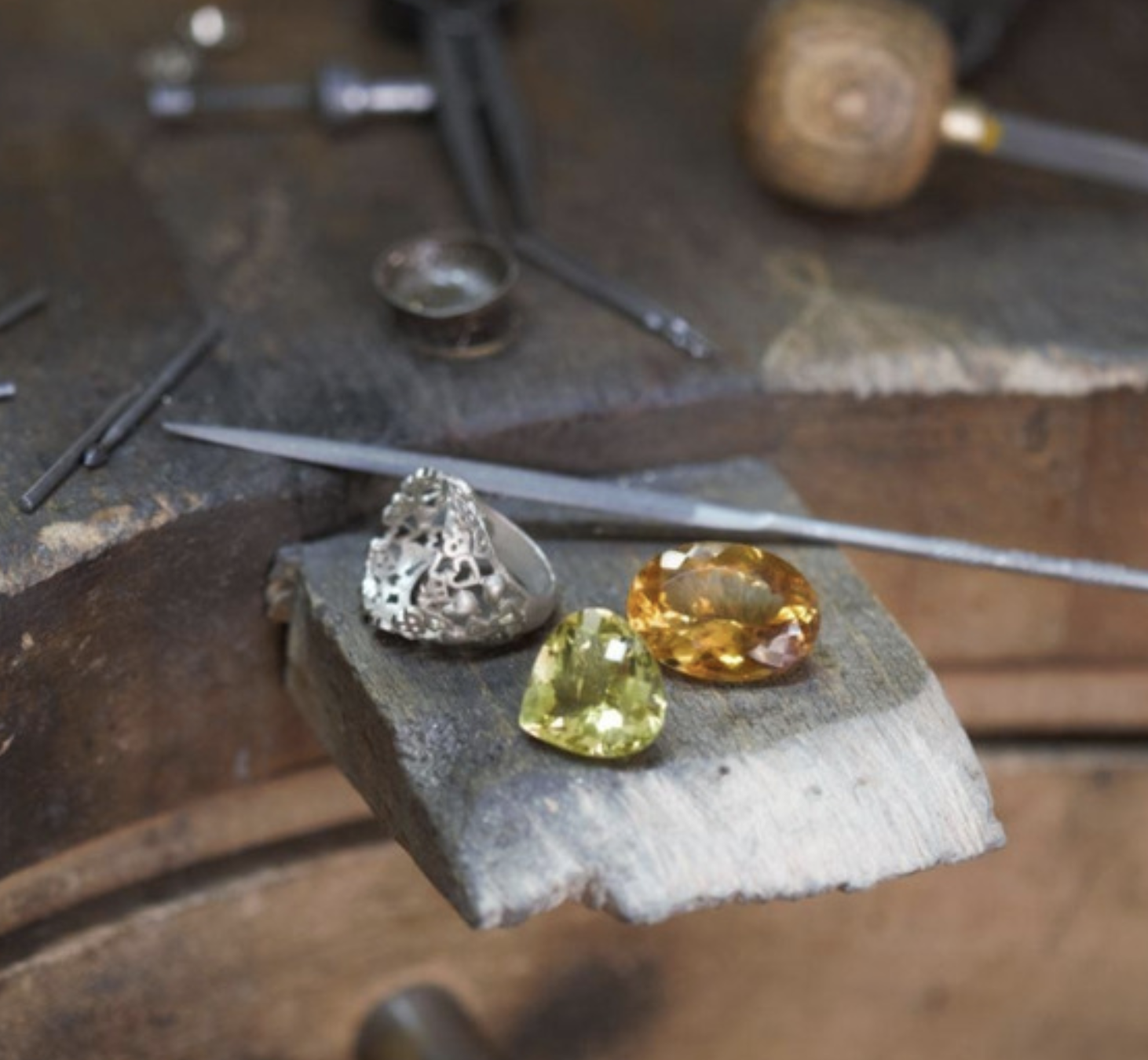
For some years now, many houses have been aware of an ever-growing shortage of gemstones. Faced with this scarcity, jewellers are forced to adapt and must, from today, find solutions.
Among the jewellers, Chopard has committed since 2018 to sourcing its precious metal from responsible suppliers and essentially uses ethical gold certified Fairmined: "a certification label that attests to the provenance of gold produced by autonomous, responsible, artisanal and small-scale mines".
Related articles
Pre-Owned Loro Piana: The Quiet Luxury Buyer's Guide
Cashmere, vicuña, Summer Walk loafers: icons, materials, authentication and resale value of pre-owned Loro Piana. The OFC guide to buying quiet luxury at a fair price.
Pre-Owned Givenchy: A Guide to the Antigona, Pandora & Parisian Chic
Antigona, Pandora, the legacy of Hubert de Givenchy: icons, leathers, authentication and resale value of pre-owned Givenchy. The OFC guide to buying at a fair price.
How to Estimate the Value of Your Pre-Owned Luxury Bag
How to estimate the value of your pre-owned luxury bag: house, model, condition, rarity, colour, accessories. The factors that set the price, explained by Old Fashioned Club.