
Pre-Owned Luxury Ready-to-Wear: The Complete Guide
By The Old Fashioned Club Team
Chanel tweed jackets, Saint Laurent tuxedos, couture dresses: sizing, fabrics, authentication and care for pre-owned luxury ready-to-wear. The OFC guide.
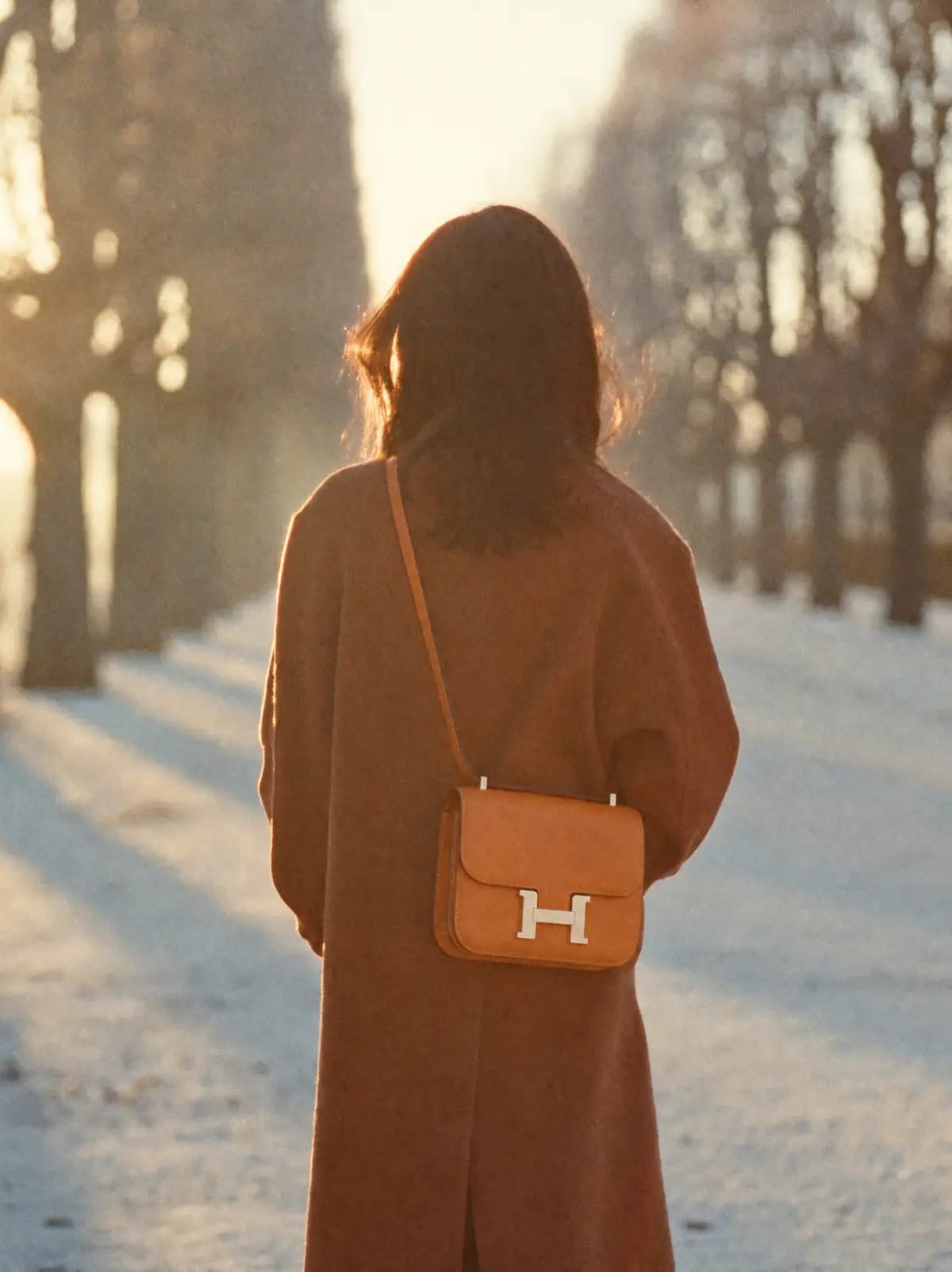
Pre-owned luxury ready-to-wear is arguably the most underrated segment of the second-hand market: it gives you access to atelier tailoring, noble fabrics and a signature that outlasts the seasons, at a fraction of the retail price. But it is also a demanding purchase — archive sizing, condition, authentication. Here is our guide: signature pieces, fabrics, how to choose your size, and how to authenticate and care for them.
Why buy designer clothing second-hand
Designer clothing doesn't follow the fleeting cycles of fast fashion. A tweed jacket cut in the codes of Gabrielle Chanel, or a tuxedo inherited from Yves Saint Laurent, retains its rightness decades after it was created. Buying these pieces second-hand means accessing exceptional craftsmanship at a fair price, while making a choice rooted in sustainable fashion — extending the life of an atelier piece rather than producing a new one. It is also, often, the only way to reach archive pieces that are nowhere to be found in store.
The signature pieces and houses
A handful of categories shape this second-hand wardrobe:
| Piece | Reference house | Why it lasts |
|---|---|---|
| Tweed jacket | Chanel (tailoring from the 1920s) | Cardigan-like drape, fine finishing, timeless |
| The tuxedo | Saint Laurent (1966) | Powerful androgyny, atelier cut |
| Sculptural dress | Alaïa (first RTW 1980–81) | Second-skin knit, unique work on the body |
| Luxury knitwear | Loro Piana, Brunello Cucinelli | Exceptional cashmere, quiet luxury |
| Trench coat | Burberry | Gabardine, iconic unisex cut |
The golden rule: favour a house's signature pieces over its most season-specific creations — they date less and resell better.
Fabrics: what lasts and what wears
Not all fabrics age the same way. Wool tweed, quality cashmere, tightly woven cotton gabardine and virgin wool last for decades when properly cared for. Worth watching more closely: silks and chiffons (prone to snags and water marks), leathers and suedes on ready-to-wear (sensitive to drying out), and fine knits (pilling, moths). On a second-hand piece, always inspect the friction zones (collars, elbows, underarms), the seams and the lining.
Choosing your size: beware archive grading
This is the most overlooked aspect of second-hand ready-to-wear. Sizes vary across eras and houses: a 1990s Chanel 38 doesn't match a contemporary 38, and couture cuts often run small. Always rely on the actual measurements (shoulders, bust, waist, length) rather than the number on the label. A structured jacket can sometimes be slightly altered, but a piece that is too small across the shoulders is hard to recover. When in doubt, trying the piece on in a showroom remains the best guarantee.
Authentication and care
Authenticating a luxury garment comes down to analysing the seams and construction, checking the labels, composition and provenance tags (typography, the weave of the brand label, serial numbers where they exist), and inspecting the fabrics and finishing specific to each house. A tweed jacket or a tuxedo only reveal their truth to a trained eye.
On care: favour specialist dry cleaning for delicate pieces, store knitwear folded (never on a hanger) away from moths, and have leathers maintained. Every piece sold at Old Fashioned Club is authenticated by our experts and comes with a certificate of authenticity; Entrupy authentication is available on request.
Shop the edit
Discover our pre-owned luxury ready-to-wear — Chanel tweed jackets, Saint Laurent jackets, couture dresses — as well as our Loro Piana and Chanel edits at Old Fashioned Club.
Frequently asked questions
- Are pre-owned luxury ready-to-wear sizes reliable?
- Not always: sizes vary across eras and houses, and couture cuts often run small. An archive 38 won't necessarily match a contemporary 38. Rely on the actual measurements (shoulders, bust, waist, length) rather than the number on the label, and favour trying the piece on when in doubt.
- Which luxury ready-to-wear pieces hold their value best?
- Signature, timeless pieces: the Chanel tweed jacket, the Saint Laurent tuxedo, Alaïa's sculptural dresses, cashmere knitwear by Loro Piana or Brunello Cucinelli, and the Burberry trench. They date little and resell better than very season-specific creations.
- How do you authenticate a luxury garment second-hand?
- You analyse the seams and construction, check the brand, composition and provenance labels (typography, weave, serial numbers where they exist), and inspect the fabrics and finishing specific to each house. Authentication is multi-criteria and is best entrusted to experts.
- How do you care for a luxury ready-to-wear piece?
- Favour specialist dry cleaning for delicate pieces (silk, tweed, couture), store knitwear folded flat rather than on a hanger and away from moths, and have leathers and suedes maintained regularly. Good care preserves both the fabric and the resale value.
- Is second-hand ready-to-wear a sustainable purchase?
- Yes. Extending the life of an atelier piece rather than producing a new one reduces the wardrobe's footprint. Designer clothing, built to last, lends itself particularly well to the second-hand market: its cut and fabric remain right decades after it was created.
Related articles

Pre-Owned Loro Piana: The Quiet Luxury Buyer's Guide
Cashmere, vicuña, Summer Walk loafers: icons, materials, authentication and resale value of pre-owned Loro Piana. The OFC guide to buying quiet luxury at a fair price.

Pre-Owned Givenchy: A Guide to the Antigona, Pandora & Parisian Chic
Antigona, Pandora, the legacy of Hubert de Givenchy: icons, leathers, authentication and resale value of pre-owned Givenchy. The OFC guide to buying at a fair price.
How to Estimate the Value of Your Pre-Owned Luxury Bag
How to estimate the value of your pre-owned luxury bag: house, model, condition, rarity, colour, accessories. The factors that set the price, explained by Old Fashioned Club.