
The Success Story of Louis Vuitton Trunks
In an era where fast fashion has become a way of life for many consumers, this low-cost trend produces deplorable social and environmental impacts on a global scale [...]
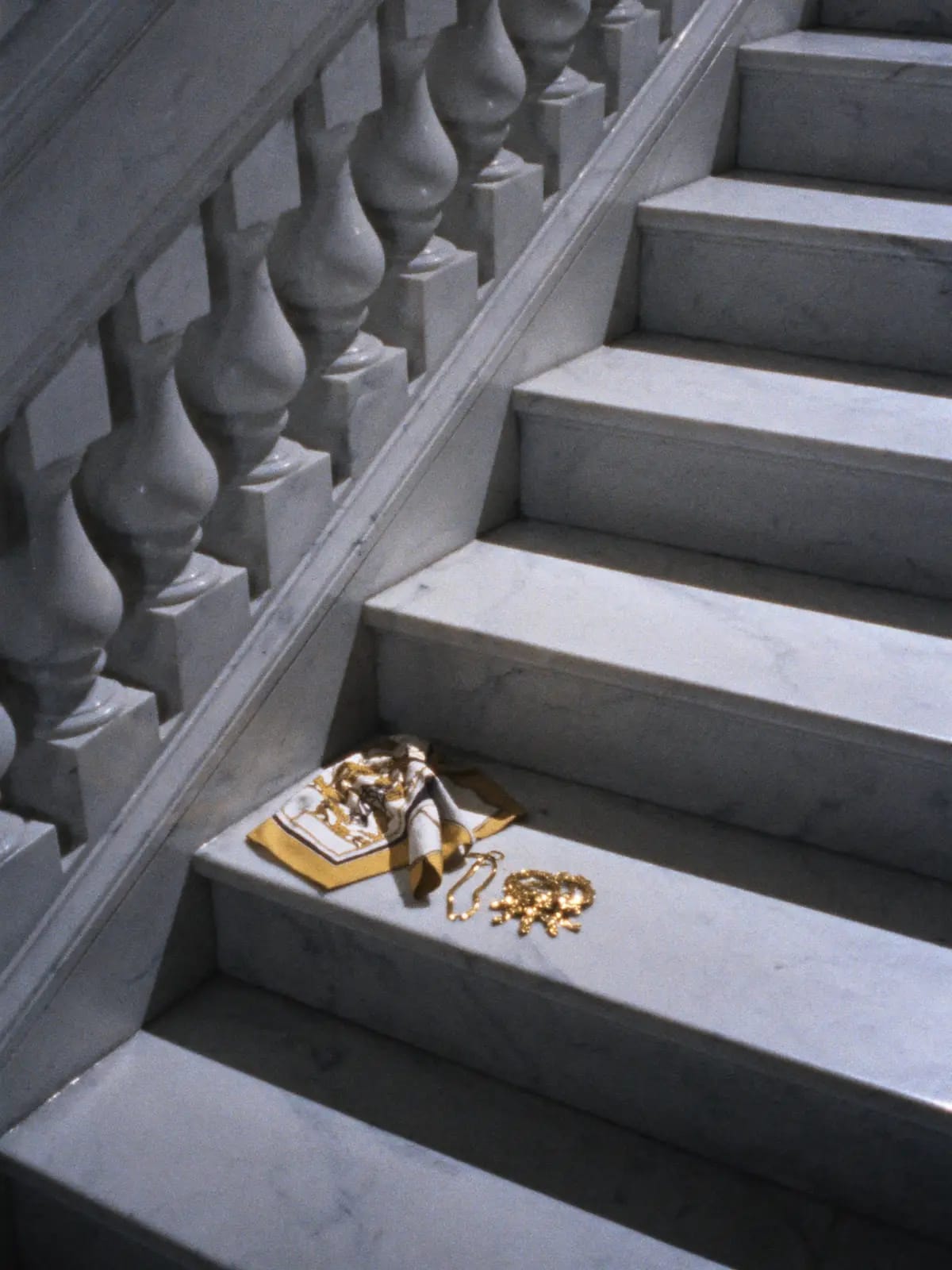
Age-old craftsmanship
Practicality, convenience and craftsmanship — the existence of trunks is age-old. An evolution through the decades that never ceases.
Dating back to the Middle Ages, the chest gave rise to trunks, which appeared a few years later. Before undergoing strong development in the 19th century, trunks were heavily used by explorers. With domed shapes and a handle on each side, trunks were generally made of exotic woods; their manufacture took place directly in ports, allowing many bulky objects to be brought back while protecting them.
It was in 1870 that their production accelerated, thanks to industrialisation and technical progress, notably linked to the evolution of the means of transport. But their bulky sizes with domed lids were not suited to air and rail transport.
Success the French way
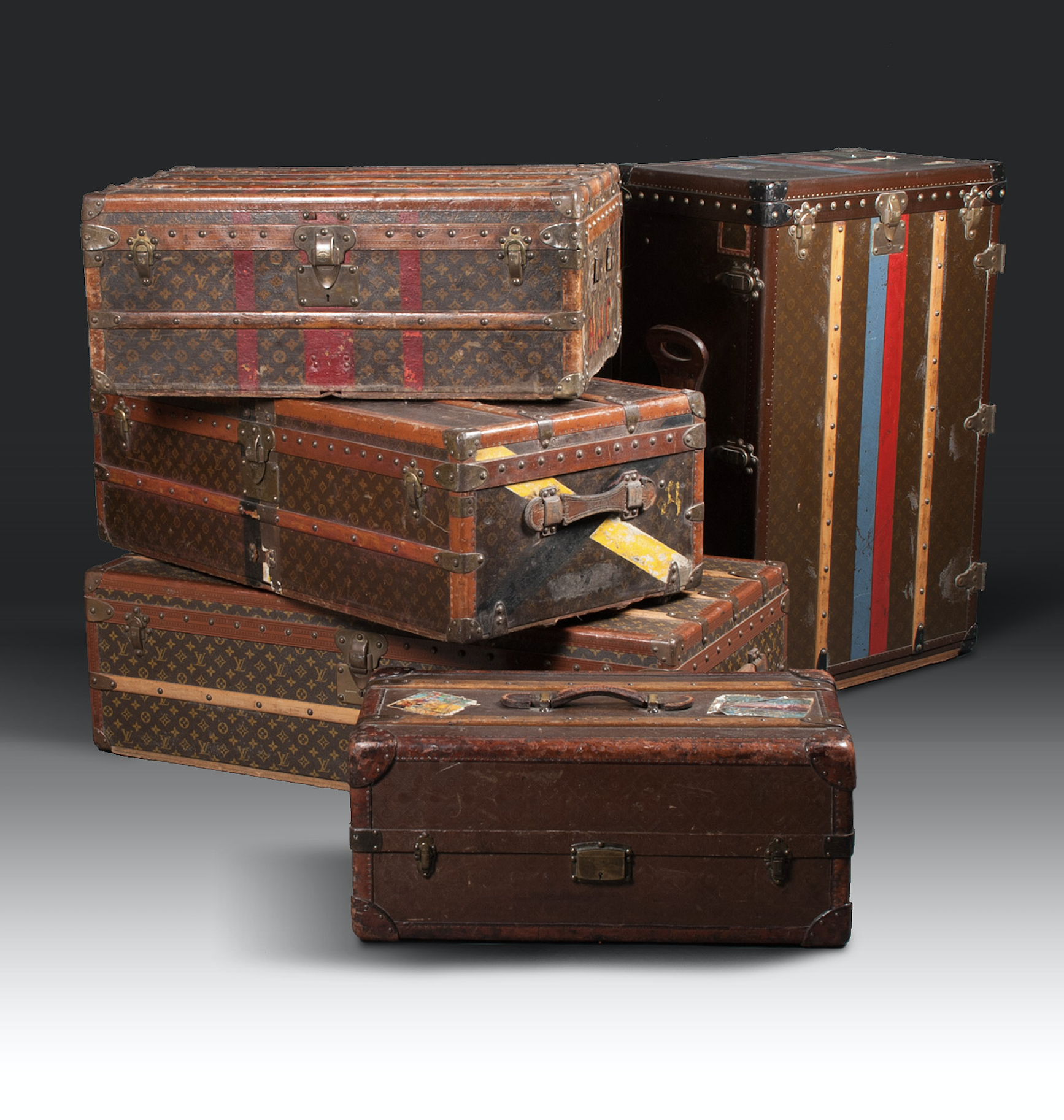
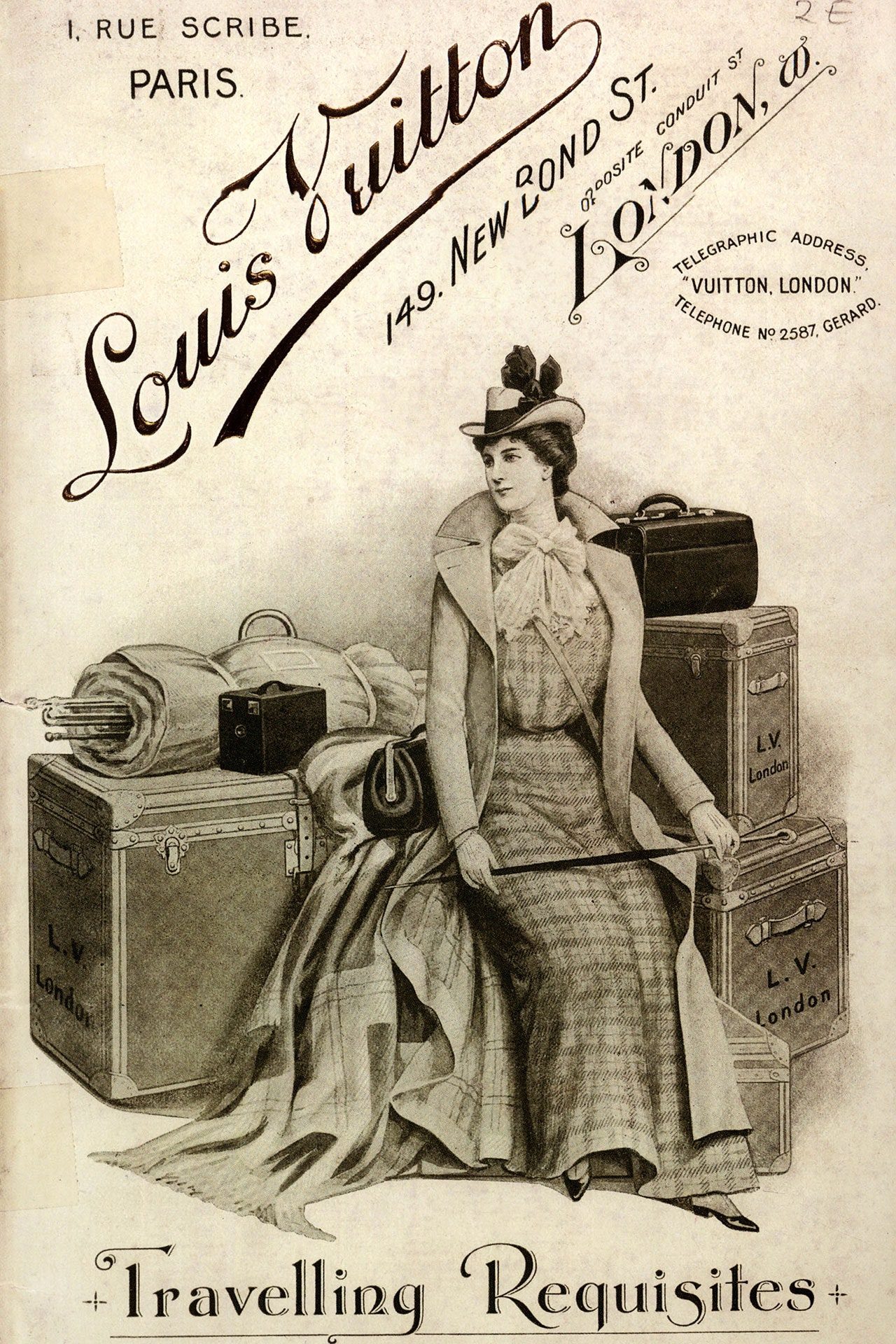
After his apprenticeship as a box-maker, packer and trunk-maker with Monsieur Maréchal, Louis Vuitton became the exclusive packer to Empress Eugénie and founded the Maison Louis Vuitton Malletier in 1854. In his workshop, he conceived a light-grey canvas, called Gris Trianon, a very original colour, since most trunks were rather dark. This canvas offered a certain resistance compared with leather, which cracked more easily. In 1858, Georges Vuitton, son of Louis Vuitton, revolutionised the world of luggage with the invention of the flat trunk. A design with multiple uses, as aesthetic as it was functional. Particularly useful for travel, the flat trunk appeared in various forms, such as the bed-trunk, the chest-of-drawers trunk fitted with several drawers and allowing linen to be stored easily. He also created the zinc trunk, whose function was to insulate belongings from humidity and protect them from raindrops. A way to remain elegant in all circumstances! It was in 1886 that Georges Vuitton and his father Louis Vuitton adopted a unique, more resistant lock fitted with two spring buckles. An invention that guaranteed better protection against the rise of robbers. A few years later, many locks would be invented, some exclusive depending on the model, such as the "V" lock, which would be particularly used by the house. Made of a 5-lever system, this lock is available in two materials, brass and metal, and could, on certain orders, be in copper or aluminium. In 1870, Georges Vuitton extended his creations abroad, mainly seeking to reach the English market. Nevertheless, he had to face a major problem: counterfeiting. To fight this scourge, which still persists today, Georges Vuitton created the "LV Monogram", the emblem of the French house. Since its first creation, Louis Vuitton has showcased a unique, high-quality craftsmanship. A house that will never cease to innovate and to grow year after year.
Related articles
Pre-Owned Loro Piana: The Quiet Luxury Buyer's Guide
Cashmere, vicuña, Summer Walk loafers: icons, materials, authentication and resale value of pre-owned Loro Piana. The OFC guide to buying quiet luxury at a fair price.

Pre-Owned Givenchy: A Guide to the Antigona, Pandora & Parisian Chic
Antigona, Pandora, the legacy of Hubert de Givenchy: icons, leathers, authentication and resale value of pre-owned Givenchy. The OFC guide to buying at a fair price.
How to Estimate the Value of Your Pre-Owned Luxury Bag
How to estimate the value of your pre-owned luxury bag: house, model, condition, rarity, colour, accessories. The factors that set the price, explained by Old Fashioned Club.